Exploring Spending Patterns: Categories and Illustrations
In our daily lives, the workhorses that drive the economy are not always apparent. These unsung heroes are none other than the goods and services we consume. Consumption expenditure, a key component of aggregate demand, plays a significant role in shaping business investment, manufacturing activity, and overall economic growth.
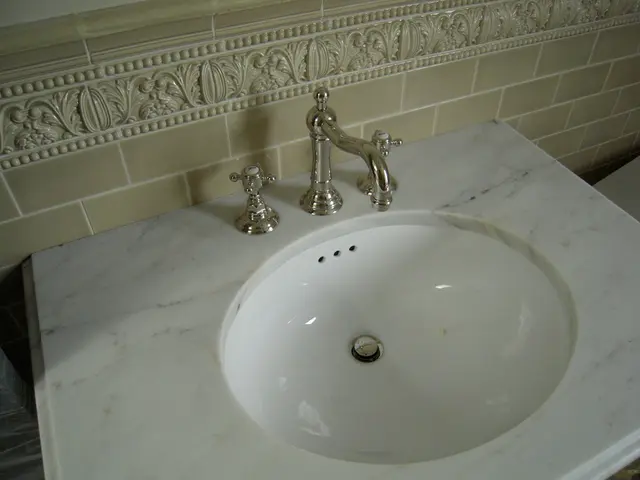
Durable goods - such as furniture, electronics, and appliances - are designed to provide utility and function over extended periods. These items, while often requiring financing, signal consumer confidence and a longer-term financial commitment. However, recent data shows that spending on durable goods has been uneven, with declines noted in categories like furniture and electronics, indicating consumers' increased selectivity amid economic uncertainty and a focus on essential or better-value purchases.
Non-durable goods, on the other hand, are essential, high-frequency purchases. These include groceries and household supplies. Consumers prioritize spending on these goods during periods of economic uncertainty, as they fulfill basic needs. The data indicates that while consumers may shop more frequently, they spend less per trip to hunt bargains, reflecting cautious budgeting.
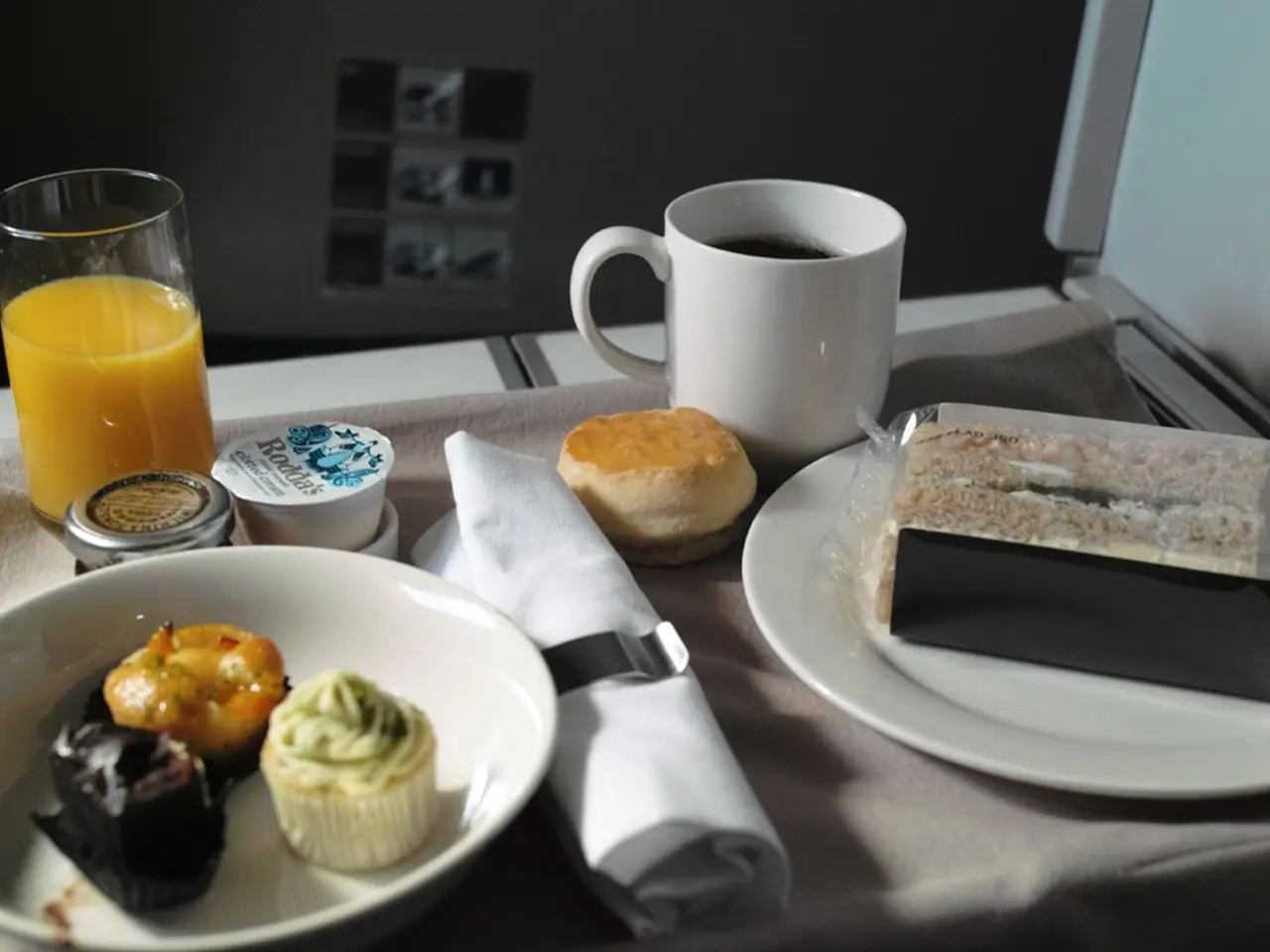
Services spending, especially on discretionary areas like dining out and entertainment, is often the first to be cut back when budgets tighten. Spending on dining out has notably fallen, with many consumers trading down to cheaper options or reducing frequency altogether, which reflects shifting consumer priorities toward value and functional necessity rather than luxury or leisure.
Broader economic impact:
Consumer spending accounts for about 70% of US GDP, making it a pivotal driver of economic growth. Shifts in how consumers allocate spending between durable goods, non-durables, and services can signal changing economic sentiment.
Reduced spending on durables can slow manufacturing and related industries, while sustained spending on non-durables helps keep essential sectors stable. Cutbacks in services spending, particularly in hospitality and entertainment, can signal emerging economic caution.
The "multiplier effect" means decreased spending in any category influences business investment, job creation, and overall economic output.
Consumer behavior response:
Economic uncertainty and inflation pressures are encouraging deal hunting, selective purchasing, and prioritization of essentials over luxuries or big-ticket items. Some consumers seek "everyday value and quality," trading up for brands that offer durability or social impact even while reducing overall spend. Financial juggling is evident, with delayed big purchases (vehicles, vacations) and increased missed bill payments signaling tighter short-term budgets and prioritization of liquidity.
In summary, spending patterns across durable goods, non-durables, and services reflect consumer confidence and economic health. Durable goods spending is a key indicator of long-term economic optimism, non-durable goods spending underpins essential consumption, and services spending is more elastic, often contracting first during downturns. These dynamics collectively shape business investment decisions, manufacturing activity, and overall economic growth.
[1] Bureau of Economic Analysis [2] Federal Reserve Bank of St. Louis [3] U.S. Census Bureau [4] U.S. Bureau of Labor Statistics
- In light of economic uncertainty and inflation pressures, financing for durable goods appears to be a critical factor, as individuals weigh their long-term financial commitments carefully.
- During periods of economic downturn, changes in consumer spending patterns - such as increased selectivity in durable goods, prioritizing essential non-durable goods, and contracting services spending - can have a ripple effect on business investment, manufacturing activity, and overall economic growth, affecting industries like manufacturing, essential sectors, and hospitality and entertainment.