
Global Finances Undergo Transformation with De-dollarization and Bitcoin Adoption
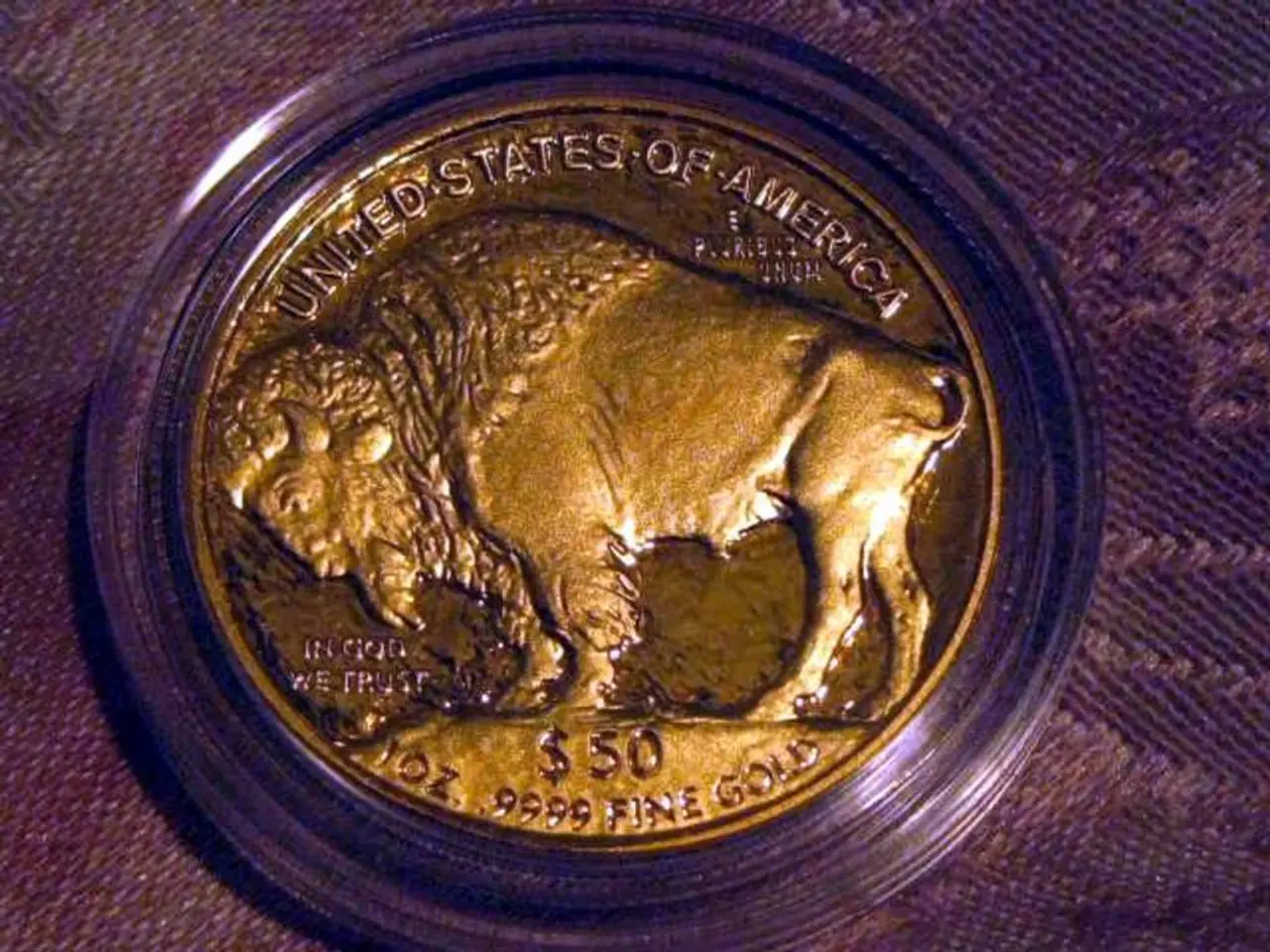
In the face of rising inflation, increasing interest rates, mounting U.S. debt, and international political tensions, central banks worldwide are seeking alternatives to traditional reserve assets. One such alternative gaining traction is gold, with central banks building up gold reserves to levels not seen in decades. However, another contender is making waves – Bitcoin.
A recent report shows a clear increase in gold reserves, but Bitcoin is also capturing the attention of major institutions and central banks. If central banks were to allocate even a fraction of their reserves to digital assets, the impact on cryptocurrency markets could be substantial.
Central banks are considering Bitcoin as an alternative to the U.S. dollar in their reserve assets primarily due to its growing institutional legitimacy, rising price, and potential role as a decentralized store of value amid U.S. dollar weakness and evolving regulatory clarity. However, Bitcoin is still largely speculative and too volatile to fully replace traditional reserve assets currently dominated by gold and major fiat currencies like the dollar.
Key reasons behind this consideration include growing institutional adoption and inflows, regulatory clarity and policy shifts, and decentralization, which differentiates Bitcoin from central bank digital currencies (CBDCs). In 2025, Bitcoin's price surged above $120,000, driven by over $50 billion in institutional investments, including major asset managers like BlackRock. Recent U.S. legislation, such as the CLARITY Act and GENIUS Act, have provided clearer frameworks for digital assets, reducing uncertainty for market participants.
Despite these drivers, most central banks currently do not hold Bitcoin in official reserves due to its high volatility, liquidity risks, and the need for reserves to provide stability during crises. The traditional characteristics of reserve assets—high liquidity, safety, and stability—are not yet fully met by cryptoassets like Bitcoin, although central banks continue to monitor their maturation.
This trend, often referred to as "de-dollarization," is not just about currency swaps but also about strategy, security, and preparing for a more multipolar financial world. Bitcoin offers an advantage with its use of blockchain technology, making it more transparent, faster, and independent. As a result, Bitcoin has entered the radar of central banks as an alternative currency, representing a new stage in its progress.
An increasing number of people view Bitcoin as a form of digital gold, and its supply is limited, providing a sense of endurance over time. Central banks, viewing gold as a safe haven and a bulwark against inflation, may find Bitcoin's limited supply appealing.
In summary, central banks are exploring Bitcoin as a strategic diversification of reserve assets because of its institutional traction, regulatory progress, and decentralized nature as the U.S. dollar’s dominance and stability face new challenges. However, Bitcoin’s volatility and regulatory uncertainty limit its present role mostly to a potential future alternative rather than an established reserve asset. The world is gradually moving towards a more varied reserve system, where gold and potentially Bitcoin could play a significant role alongside traditional currencies.
Finance institutions and central banks are increasingly viewing Bitcoin as an attractive alternative investment, given its growing institutional legitimacy, rising price, and potential as a decentralized store of value. If central banks were to invest even a small portion of their reserves in Bitcoin, the cryptocurrency market could witness substantial growth.
However, Bitcoin's high volatility, liquidity risks, and the need for reserves to provide stability during crises make it unsuitable as a primary reserve asset for most central banks at present. Despite these limitations, Bitcoin's unique attributes, such as its use of blockchain technology and a finite supply, are compelling reasons for central banks to monitor its maturation and consider it as a potential future reserve asset.