
Romania unveils draft legislation for revising local governance structures
The Romanian government has unveiled plans for a comprehensive local administration reform, scheduled for implementation between 2025 and 2026. The reform, part of the second package of fiscal-budgetary reforms under Romania’s National Recovery and Resilience Plan (PNRR), targets higher revenues, lower spending, smoother functioning of institutions, better tax collection, and more local autonomy.
Key Measures of the Reform
The reform proposes significant changes, including increasing local taxes (other than property tax) by about 70%, reducing local public sector employment by 20%, notably including a resizing of local police forces, and enhancing tax collection efficiency. The reform also aims to improve property taxation by identifying all properties and charging a 100% supplementary property tax for properties without a building permit over a period of five years.
Moreover, the reform will implement greater decentralization in local governance and revise the legal framework regulating taxes on buildings. The draft bill also includes measures such as cutting the number of personal advisors employed and paid from the budget by top public servants by 6,060.
Impact on the Budget and Opposition
The reforms are designed to reduce the budget deficit, which has been high at 8.7% of GDP in 2024, with projections to shrink deficits gradually by 2026. The increase in local taxes, especially through updating property values to market rates, aims to increase local budget revenues, reducing dependence on central government allocations.
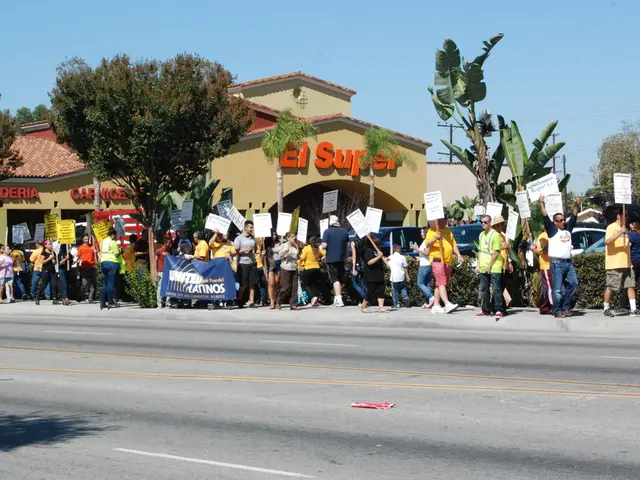
However, these austerity measures, including tax hikes and frozen or reduced public wages, may slow down economic growth and negatively affect household incomes. There has been social frustration and protests from affected workers due to job cuts and pay freezes in the public sector. Employees in various fields have staged protests against the measures enacted in the first reform package, and similar resistance is expected for the second phase which impacts local administration personnel.
Criticism has also been voiced regarding the timing and potential loopholes in some fiscal reforms, such as those targeting multinational companies, reflecting broader political and social tensions around the reform package.
Recovery of Unpaid Local Taxes
In an effort to recover unpaid local taxes, the recovery process will be passed to judicial officers. The impact of the first package of reforms on the general government budget is estimated at 3.3% of GDP in 2026, according to the Fiscal Council's projection shared by the rating agencies.
In summary, the Romanian government aims through this reform to bolster local revenues, reduce public spending by cutting jobs, and improve efficiency in local administration, at the cost of increased taxes and workforce reductions that have sparked opposition from public employees and continue to pose challenges for economic growth and social acceptance.
The reform proposes an increase in local taxes and a reduction of local public sector employment, targeting a 70% increase and 20% decrease respectively. This aims to boost local budget revenues and reduce dependence on central government allocations, as part of efforts to reduce the budget deficit.
The reform's focus on fiscal-budgetary reforms and austerity measures, including tax hikes and job cuts in the public sector, has sparked opposition from public employees and raised concerns regarding its impact on economic growth and social acceptance.