
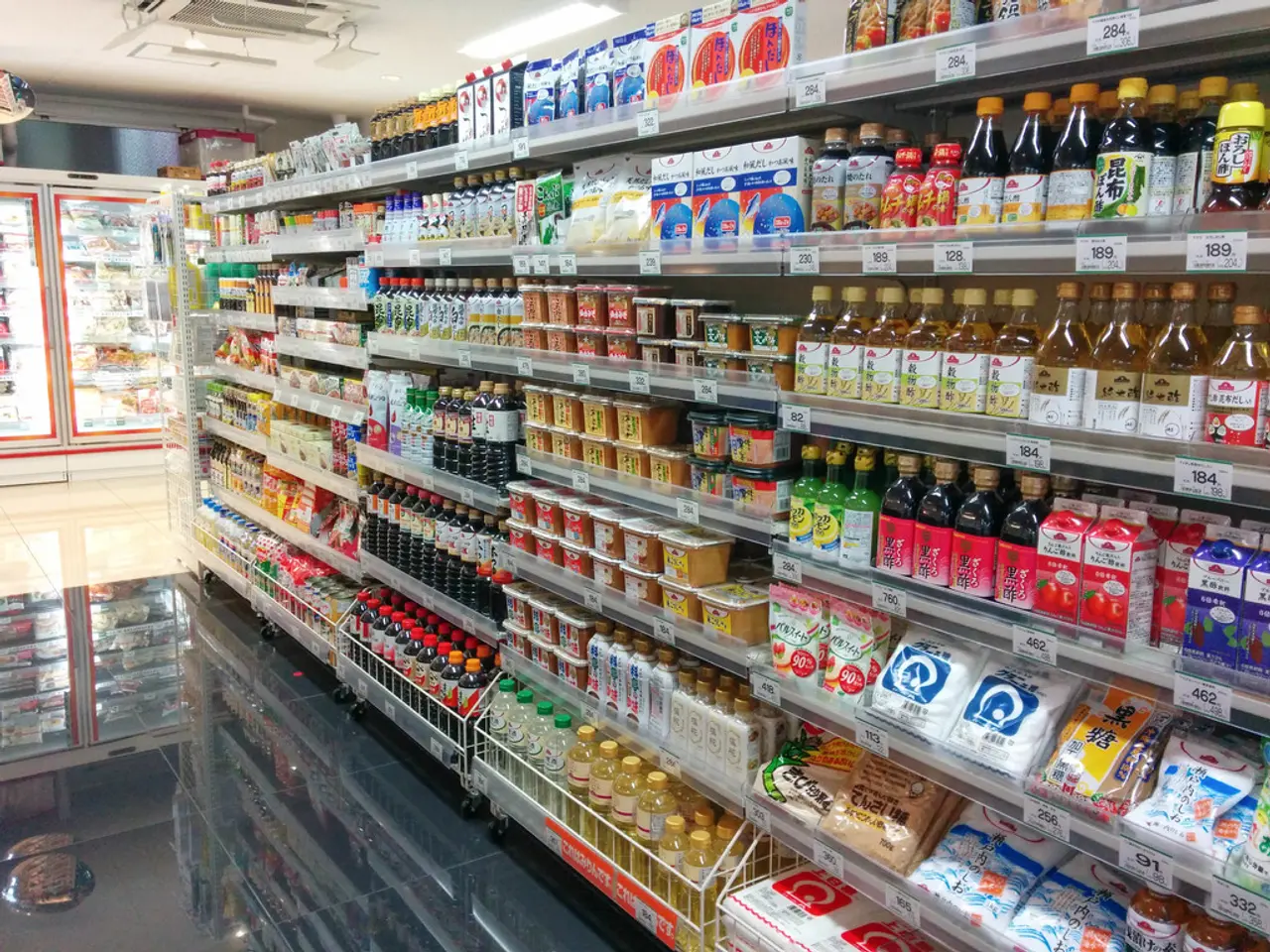
Soaring energy and food expenses contribute to increasing prices across the Saarland region.
In the heart of Germany, the region of Saarland has been grappling with rising inflation rates, as revealed by recent data. In July 2023, the inflation rate in Saarland stood at 5.9%, a slight decrease from the previous month's 6.0%.
Energy prices have emerged as a significant factor in this inflationary surge. Heating oil prices in Saarland remained 0.1% more expensive compared to June 2023 but fell by 36.6% compared to the previous year. Conversely, gas prices for consumers increased by 12.2% in July 2023 compared to the same period last year. These fluctuations can be attributed to geopolitical tensions and economic sanctions, affecting global energy prices and, subsequently, local prices in regions like Saarland.
Food prices have also contributed to the inflationary pressures in Saarland. In July 2023, food prices increased by almost 9.5% compared to the previous year, with guests in restaurants, cafes, and bars spending 7.9% more on food and drinks compared to the same period last year. Prices for staple foods have risen significantly, with oils and fats, grain products, dairy products, fruit and vegetables showing the strongest increases among food groups.
Despite these challenges, the development of the inflation rate in the coming months remains uncertain. Understanding the broader German economic context and factors affecting energy and food prices can help infer potential contributors to inflation in the region.
Saarland, as a region in Germany, is influenced by the broader economic conditions affecting the entire country, such as the social market economy and industrial output. Local industries and economic activities might have specific impacts on regional inflation, but these would typically align with national trends.
The supply and transportation of energy and food products within Saarland could be affected by regional infrastructure and logistics, potentially leading to local variations in prices. These regional factors, combined with broader economic trends, contribute to the current state of inflation in Saarland.
As the people of Saarland grapple with the increased costs of energy and food, it is essential to monitor these trends closely and work towards finding solutions to alleviate the strain on households.
Finance and energy industries in Saarland have seen increased costs due to rising prices in energy, impacting local households. The prices of heating oil and gas have experienced fluctuations, with heating oil prices slightly decreasing from June 2023 but still 0.1% more expensive, and gas prices for consumers increasing by 12.2% compared to the previous year. Meanwhile, the lifestyle and food-and-drink sector has also been affected, with food prices increasing by almost 9.5% in July 2023 compared to the previous year, affecting restaurants, cafes, and bars. Business leaders and policymakers should closely monitor these trends to help alleviate the strain on households.




