Increase in tourism coincides with service provider struggles. - The European Union currently finds itself in a challenging predicament, struggling to manage the ongoing crisis.
In 2024, Lower Saxony's economy experienced a mixed year, with some sectors thriving and others struggling to recover from the ongoing impact of the COVID-19 pandemic.
The service providers, retail, and tourism industries faced persistent challenges, with reduced consumption, investment disruptions, and fiscal pressures at the subnational level.
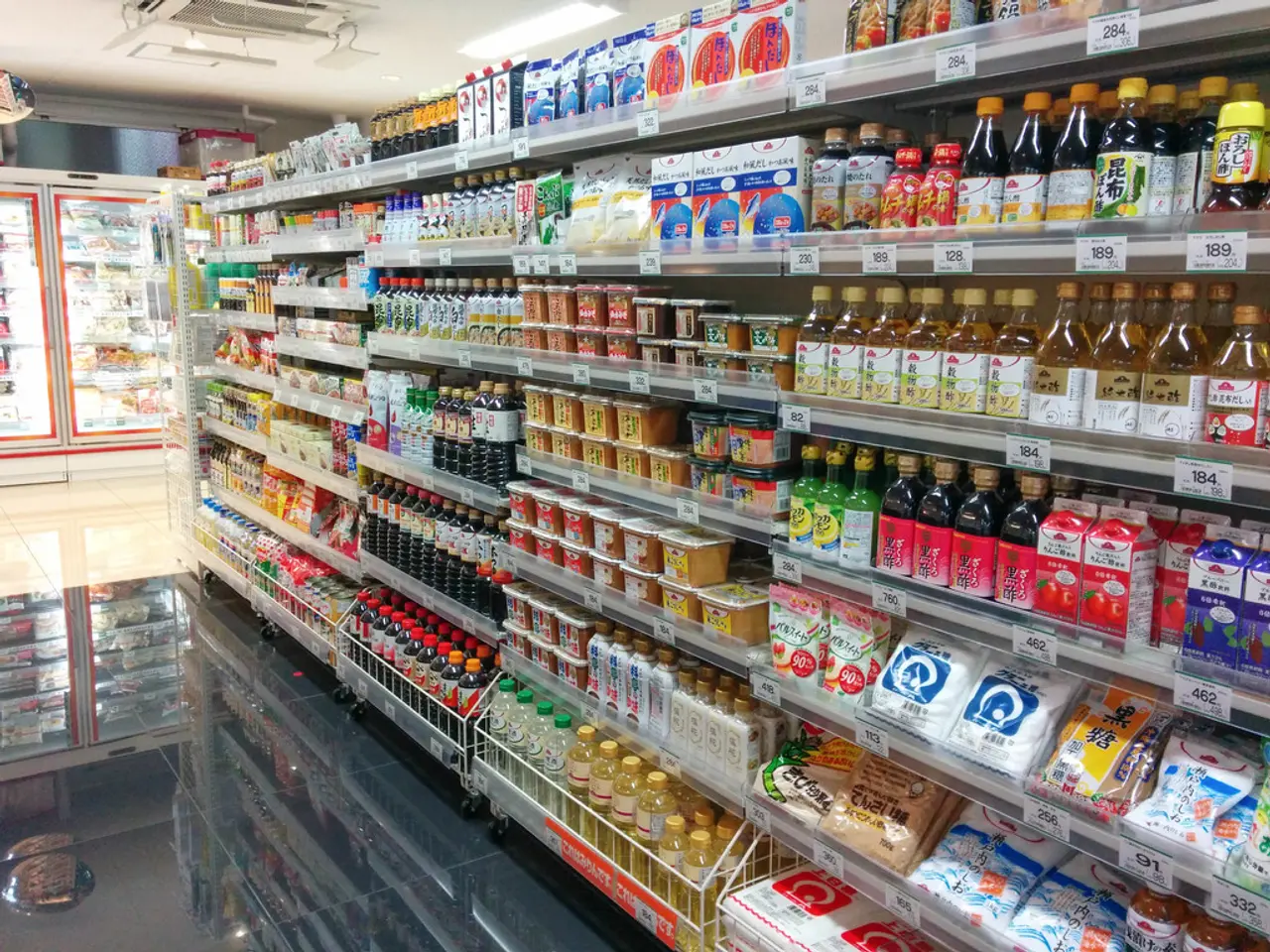
The service sector, in particular, grappled with significant difficulties, as real turnover decreased by 7.5%. Despite these challenges, revenues in supermarkets remained relatively stable.
The tourism industry, too, continued to face long-lasting effects due to travel restrictions and declines in consumer confidence. Recovery has been gradual, with over 15.4 million people visiting Lower Saxony last year, marking an increase of 2.5%. However, the number of overnight stays, at over 46 million, only slightly fell short of the pre-corona level.
The North Sea coast and camping sites were particularly popular tourist destinations, suggesting a preference for outdoor activities and less crowded locations. The majority of foreign guests in Lower Saxony came from the Netherlands.
The trade in cars, spare parts, and repairs in retail saw a slight increase in personnel, while the number of employees in the service sector shrank by 2.3% to around 663,000. The area of "other economic services" such as temp agencies or cleaning services was particularly hard hit, with turnover dropping by more than one-sixth. The number of employees in retail decreased by 2.6%.
The State Office for Statistics (LSN) provided the figures indicating the economy's status. The German federal government implemented a comprehensive economic stimulus and loan programs, such as the KfW Quick Loan Program, providing relief to affected small and medium businesses. Yet, structural economic and technological challenges continue to affect sectors like service and retail, slowing broader economic recovery.
The recovery of Lower Saxony's service providers, retail, and tourism industries depends on ongoing public health stability, global economic conditions, and innovations addressing structural sector challenges.
While government interventions helped avoid widespread collapse, many businesses in these sectors are still experiencing a cautious or even unchanged economic situation compared to previous years. The resilience of the tourism industry, with more guests visiting the country, offers some hope for a gradual recovery.
[1] German Economic Institute Report on the Impact of COVID-19 on the German Economy
[2] Statista: Number of Overnight Stays in Lower Saxony
[3] Lower Saxony State Office for Statistics: Economic Indicators
[4] OECD: Fiscal Pressures at Subnational Level in Germany
- The German federal government, in an attempt to ease the economic burden on affected sectors, implemented comprehensive economic stimulus and loan programs, such as the KfW Quick Loan Program, particularly benefiting small and medium businesses in the service, retail, and tourism industries that were hardest hit by the ongoing impact of COVID-19.
- To address the continued challenges in the service and retail sectors, vocational training initiatives are essential to foster innovation and adaptability among the workforce, thereby enhancing their competitiveness within the affected industries and the broader economy. For instance, community policy could be implemented to provide grants or subsidies for vocational training programs focused on the service, retail, and tourism sectors, ultimately boosting their resilience and contributing to the overall recovery of Lower Saxony's economy.